

 19 May 2026
  12 min
  156 views
 Online casino operators are under growing pressure to keep players engaged longer and build stronger retention across increasingly similar product portfolios. That shift is changing how poker is viewed across the industry. For years, poker carried a reputation of being operationally complex: challenging liquidity dynamics, specialized management requirements, and infrastructure demands that many casinos preferred to avoid.
While poker can still require significant planning in some markets and launch models, modern platform infrastructure has reduced much of the complexity traditionally associated with it. This piece looks at some of the most common poker myths debunked by the way the modern market now operates.
Myth #1: Poker Requires a Complex Backend
For many operators, poker used to feel less like adding a product and more like launching a separate business unit. Running poker often required dedicated infrastructure, standalone management systems, liquidity handling, security layers, and custom integrations on top of the existing casino environment. Even operators interested in poker frequently avoided it because the operational overhead felt disproportionate to the launch itself.
The market gradually shifted toward modular and API-driven poker infrastructure. This is one of the clearest examples of long-standing poker myths debunked by changes in platform architecture.
Modern poker platforms are designed to integrate more easily into existing casino ecosystems, providing operators with tournament management, player administration, back-office tools, and multi-currency support within a more flexible deployment model. The result is a significantly lower barrier to entry than the industry associated with poker in previous years.

Myth #2: You Need Massive Liquidity to Succeed
One of the biggest reasons operators stayed away from poker was the fear of empty tables. Unlike slots or sportsbook, poker depends on active participation. A new poker room without traffic creates a poor first impression quickly: players log in, see limited activity, leave, and often don’t return. For smaller operators especially, building liquidity from zero could feel financially unrealistic.
The growth of shared liquidity networks has significantly changed that dynamic. Many modern poker platforms now operate within larger player ecosystems, allowing operators to access active traffic pools instead of relying entirely on local acquisition from day one. Players can immediately join running games and tournaments, while operators gain more time to grow their own audience gradually. This reduces much of the pressure associated with the early launch phase and makes poker far more viable for operators without an established poker brand.
Many launch models solve liquidity challenges earlier through shared networks and existing player pools. This reduces some of the pressure traditionally associated with new poker launches.
Myth #3: Poker Needs Dedicated Expert Management
Poker has long been associated with specialized expertise. Managing player ecology, configuring games, running promotions, and maintaining engagement often involved experienced poker managers and dedicated operational oversight, which contributed to a higher perceived entry threshold for many operators.
Today, poker management includes a much broader set of platform-supported capabilities. Modern poker solutions provide built-in tools for player segmentation, game configuration, promotions, and ecosystem monitoring. In many platform setups, automation and analytics support routine tasks such as player segmentation, monitoring, and promotional management, helping teams handle day-to-day processes more efficiently.
This allows operators to focus more on strategic growth, player experience, and long-term optimization. The effect is especially noticeable when the platform is properly configured and supported by the right internal processes. Dedicated poker expertise continues to bring value, especially for large-scale operations, while modern tooling also enables teams to launch and manage poker products effectively within existing structures. As a result, poker can be integrated more smoothly into existing teams and workflows, with less implementation complexity during launch and day-to-day management.
Myth #4: Poker Is a Regulatory Headache
For operators working across multiple markets, poker has historically carried a reputation for regulatory complexity. Many of these concerns also overlap with broader online poker misconceptions that continue to shape operator perceptions in some regions. Different licensing rules, anti-collusion requirements, fairness certification, AML procedures, and reporting obligations often made poker feel more difficult to scale internationally than other gaming verticals.
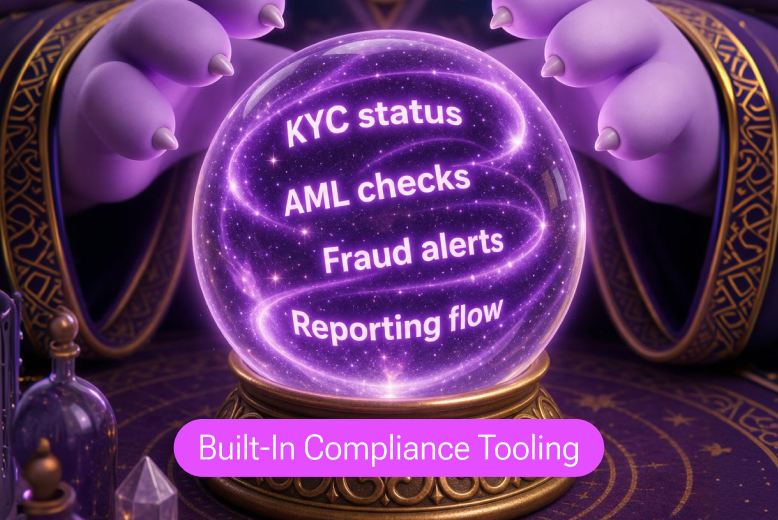
While regulatory responsibility still remains with the operator, modern poker platforms often provide management support and integrated tooling for areas such as KYC, AML, fraud monitoring, reporting, and responsible gaming. The exact distribution of responsibilities can vary depending on the platform model and jurisdiction. This allows operators to approach expansion across regulated markets with significantly more operational support already built into the platform layer.
Myth #5: Poker Cannibalizes Casino Revenue
For many casino operators, poker raised a familiar concern: what happens if players spend more time at poker tables and less time on higher-margin casino products? Among the more persistent casino poker myths, revenue cannibalization has remained one of the most common concerns.
In practice, operators often see a broader engagement effect instead. Poker players tend to stay longer within the platform ecosystem. They return more frequently, participate in tournaments, follow promotions, and interact with other players, creating habits that extend beyond single-session gameplay. This creates natural movement between verticals. A user who enters through poker may later engage with casino games, sportsbook, or live dealer offerings during the same lifecycle. For operators, poker often functions less as a competing product and more as an additional retention layer that strengthens overall player value over time.
From Barrier to Opportunity
As competition between operators becomes more aggressive, retention and long-term engagement are becoming harder to sustain through casino products alone. For many operators, these shifts reflect a broader wave of poker myths debunked by the evolution of modern poker infrastructure and launch models.
Poker is increasingly seen as part of a broader retention and engagement strategy rather than just a technically complex product to launch. It extends session time, encourages repeat visits, and creates stronger player routines around the platform.
At the same time, modern infrastructure has made poker significantly easier to integrate and manage operationally. Shared liquidity, automation, modular integrations, and built-in management tools allow teams to launch poker without treating it as a separate long-term infrastructure project. The result is a very different market position for poker than a few years ago. Today, it fits more naturally into the wider gaming ecosystem as a scalable product layer.
Why Poker Is Easier to Launch Today
The shift is connected to the overall maturity of the poker market and the wider range of launch models now available to operators. Today’s market includes white-label platforms, network-based solutions, and customizable setups that support different day-to-day goals and business scales. Operators can choose approaches that align more closely with their infrastructure, regulatory environment, and growth strategy rather than treating poker as an all-or-nothing expansion. This flexibility has also helped reduce some of the uncertainty created by long-standing online poker legality myths in different markets.
Many modern poker solutions also include shared liquidity access, modular integrations, tooling, and compliance support that simplify day-to-day management and reduce the resources historically associated with poker operations. As a result, poker has become significantly more accessible for operators looking to expand their product ecosystem without building entirely separate structures.
Time to Reconsider Poker
For a long time, poker was viewed primarily through the lens of operational difficulty. Operators are increasingly evaluating it through business impact: retention, player engagement, session depth, and long-term ecosystem value. That shift reflects broader changes in the market itself. Poker is becoming part of a wider strategy focused on building stronger player relationships and more diversified gaming portfolios.
The barriers that once kept many operators away from poker have gradually been reduced by changes in infrastructure, tooling, and launch models. Modern poker gaming platforms, along with specialized solutions like One Click Poker and Spins Poker, have made the product accessible to operators who previously had neither the team nor the technical foundation to run it. The entry point is lower, the operational burden is lighter, and the business case is easier to make.
If poker has been on the roadmap without a clear path forward, EvenBet’s product lineup is worth a closer look. Whether the goal is a full platform deployment or a lightweight first step into the vertical, the best starting point is a conversation — fill out the form below and the team will take it from there.
FAQ
Common Poker Myths in Casinos
The most common casino poker myths about poker in casinos mirror those addressed in the article: complex backend requirements, need for massive liquidity, dedicated expert management, regulatory headaches, and revenue cannibalization from higher-margin games. Other frequent myths include the belief that poker attracts only “high-rollers” who avoid slots/roulette, or that it requires constant live tournament oversight even in digital formats. Modern platforms have largely debunked these by offering modular integrations, shared liquidity networks, and automated tools that fit standard casino operations.
Reasons Casinos Avoided Poker Previously
Casinos historically avoided poker due to its complexity compared to slots or table games. It demanded separate infrastructure for liquidity management, player matching, and security, plus specialized staff for game balancing and anti-collusion measures. Smaller operators feared empty tables would drive away players, while regulatory variations across markets added compliance burdens not present in simpler RNG-based games.
Why Casinos Now Embrace Poker
Today’s casinos accept poker because platform advancements have simplified integration via API-driven solutions, shared liquidity pools, and built-in compliance tools like KYC/AML automation. These reduce launch barriers and turn poker into a retention booster: players stay longer, return frequently, and cross over to casino verticals. For operators, it becomes a scalable engagement layer rather than a standalone burden, aligning with competitive pressures for longer player lifecycles.