

 6 May 2026
  22 min
  392 views
 A player joins a table, decides to top up, and waits. The balance does not update immediately. The hand starts, the moment passes, and the session never really begins. Modern online poker payment methods in 2026 reflect player expectations for instant deposits, fast withdrawals, and fully transparent transactions. Payment experience defines the first interaction and continues to influence every session. Speed, transparency, and consistency affect whether players stay engaged, return to play, and trust the platform with their funds. This article explores how payment methods are evolving, what players expect from modern poker platforms, and how operators can structure payment systems to support conversion, retention, and growth.
Why Payments Became a Core Growth Driver
For a long time, payments in online poker were treated as infrastructure — something configured once and rarely revisited. Today, payment experience directly shapes how players interact with the platform and how consistently they return.
Payment performance is closely tied to key product metrics, including first-time deposit conversion, session continuity, and online poker deposits and withdrawals, which directly influence retention. These outcomes are influenced by how smoothly money moves through the system and how predictable each step feels to the user. When a deposit takes longer than expected, the initial intent to play weakens and some users drop off before starting a session. Withdrawal experience carries even more weight, as delays or unclear timelines introduce uncertainty and affect how reliable the platform feels. Over time, these moments form a broader pattern. Faster and more transparent payment flows support confidence, which leads to more frequent deposits and more consistent engagement. Players who trust the system are more likely to return and continue playing.
This dynamic is often visible through behavior rather than direct feedback. Instead of reporting issues, users gradually disengage. Such silent churn is frequently linked to payment friction that may not be obvious at the technical level but is clearly experienced on the user side.
The Evolution of Player Expectations
Player expectations around payments are no longer shaped within poker alone. Most users interact daily with fintech apps, ride-hailing services, and e-commerce platforms, where transactions happen instantly and require minimal effort. These patterns gradually define what a “normal” payment experience should feel like. As a result, players arrive at online poker platforms with a clear baseline, shaped by their experience with modern online poker payment methods across other digital products.
In practice, this translates into several consistent expectations:
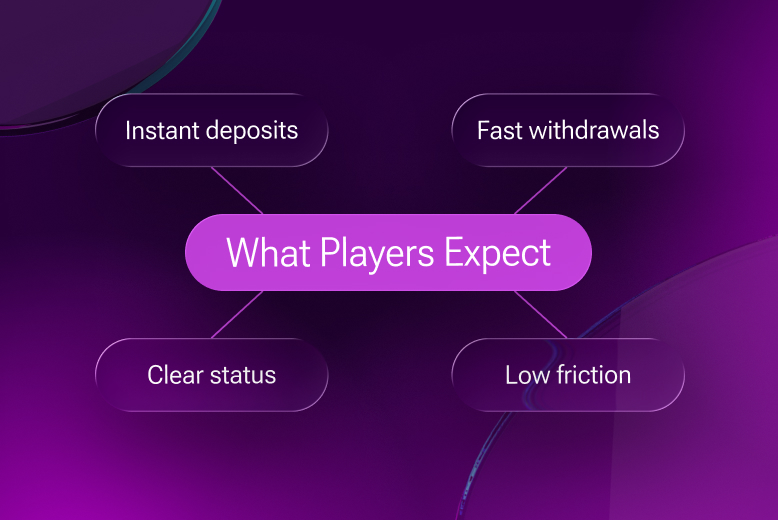
- instant confirmation, where deposits are processed immediately and reflected in the balance without delay
- low-friction authentication, using biometrics or saved credentials instead of repeated manual input
- predictable outcomes, where timing, fees, and status are transparent from the start
- continuous flow, meaning payments do not interrupt gameplay or require leaving the interface
These expectations are not perceived as premium features. They are treated as the default standard. When a platform introduces delays, adds extra steps, or leaves transaction status unclear, the experience quickly feels outdated, even if the underlying system is technically functional.
From “Works” to “Feels Effortless”
This shift is reflected in how players evaluate the payment experience itself. Earlier, the main question was whether a transaction would go through successfully. Now, attention moves to how seamlessly that transaction fits into the overall flow.
Players expect payments to happen in the background, without requiring focus or additional effort. A well-designed system reduces cognitive load by removing unnecessary steps, minimizing decision points, and keeping interactions predictable. When this works, the payment process becomes almost unnoticeable, blending into the gameplay instead of interrupting it.
Payment Ecosystem in 2026: A Layered Model
Modern poker platforms operate within a multi-layered payment ecosystem, where each layer contributes to the overall user experience and system performance. These layers are tightly interconnected, and their coordination defines how smoothly payments function from the player’s perspective.
At a high level, this ecosystem includes several key components:
- frontend UX layer, which defines what players see and interact with, including the cashier interface, payment options, and transaction flows
- orchestration layer, responsible for routing transactions between different providers, managing failover logic, and optimizing for speed and success rates
- payment providers and rails, such as banks, A2A systems, and crypto networks, which actually process transactions
- compliance layer, covering KYC, AML, and fraud monitoring to ensure regulatory alignment and platform security
- analytics layer, which tracks conversion rates, payment failures, and behavioral patterns to identify friction points
The effectiveness of a payment system depends not on any single component, but on how well these layers work together. When integration is seamless, transactions feel instant and reliable. When coordination breaks down, users experience delays, failed payments, or unnecessary friction.
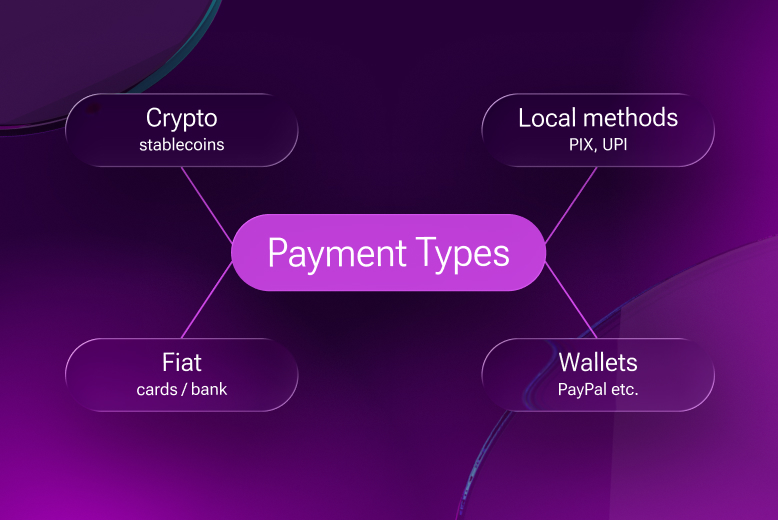
Fiat payment systems continue to develop as instant infrastructure becomes widely available across major markets, shaping what players consider the best payment methods online poker environments can offer. Players increasingly rely on local payment methods that combine speed, low cost, and regulatory familiarity.
Instant payment rails such as:
- SEPA Instant in Europe
- PIX in Brazil
- UPI in India
have set a clear standard for everyday transactions. These systems also form the foundation of a reliable poker payment experience in regulated markets. At the same time, Open Banking expands access to account-to-account payments and simplifies the overall transaction flow. This includes:
- direct bank-to-bank transfers
- real-time verification of funds
- reduced reliance on card networks
As a result, operators benefit from lower processing costs, fewer chargebacks, and faster withdrawal handling, while players experience more predictable and transparent transactions.
Digital wallets remain an important part of the overall payment mix, especially in regulated markets where players rely on familiar services for everyday transactions. Many users prefer solutions that do not require direct interaction with bank cards or local banking systems.
PayPal poker integrations are often associated with ease of use and quick onboarding, allowing players to deposit funds without additional setup or complex verification steps. The familiarity of the interface also reduces hesitation at the first transaction. At the same time, poker PayPal withdrawals are valued for their predictability and clear processing logic. Players tend to trust systems where transaction status is easy to track and outcomes are consistent across sessions.
Crypto Payments: From Niche to Infrastructure Layer
Crypto payments have become a stable part of the overall payment architecture in online poker, supporting global access and expanding the range of poker payments available to users.
Earlier limitations around usability have been reduced through several developments, including:
- stablecoins, which provide price stability for everyday transactions
- faster blockchains, improving confirmation times
- Layer 2 scaling solutions, reducing fees and increasing throughput
These improvements have made crypto more practical for regular use rather than occasional transactions. In some markets, crypto functions as a primary payment method, shaping how players access and interact with platforms. Crypto payments are particularly effective in scenarios that require flexibility and accessibility, such as:
- cross-border transactions without reliance on local banking systems
- continuous availability, including weekends and holidays
- reduced friction in regions with limited financial infrastructure
Stablecoins play a central role within this ecosystem by combining key advantages of both systems:
- price stability aligned with fiat currencies
- transaction speed enabled by blockchain networks
- compatibility with existing payment and wallet infrastructures
As a result, stablecoins are becoming a standard option in iGaming environments, supporting both operational efficiency and user confidence.
Hybrid Payment Models: The New Standard
The most effective platforms combine systems instead of choosing between them, expanding the range of online poker payment methods available to players across regions.
Hybrid setups allow:
- deposits in local fiat methods
- withdrawals in crypto
- automatic currency conversion
This flexibility:
- reduces user hesitation
- expands geographic reach
- improves retention
Instead of forcing behavior, platforms adapt to it. They meet players where they are, supporting familiar payment methods while removing unnecessary barriers from the experience.
Payment UX: Designing for Flow
Payment UX is closely tied to how smoothly players move through the platform and how intuitive each poker payment interaction feels during gameplay. Interactions around deposits and top-ups are expected to fit naturally into gameplay, without interrupting the session or requiring additional effort.
Several UX patterns define this approach in 2026:
- embedded payments, where players can deposit without leaving the table or breaking the game flow
- one-tap confirmation, using biometrics or saved credentials to complete transactions quickly
- smart defaults, with preferred payment methods pre-selected based on user history
- contextual prompts, where top-up options appear at relevant gameplay moments
- progressive complexity, keeping the interface simple for new users while allowing deeper control for experienced players
These patterns reduce friction across the payment journey and support more consistent interaction with the platform. When each step feels predictable and requires minimal effort, users are more likely to complete transactions and continue playing without hesitation. As a result, payment UX becomes directly connected to conversion and session continuity, shaping how often players deposit and how long they remain engaged.
Speed as a Retention Mechanism
Speed shapes how players perceive the platform across all online poker deposits and withdrawals, influencing trust and repeat activity. The experience of waiting is influenced not only by actual processing time, but also by how clearly that time is communicated. When transaction status is visible and updates are consistent, even short delays feel manageable. Without that clarity, the same process creates uncertainty and reduces confidence in the system.
In practical terms, players expect a consistent level of performance across all payment interactions, including:
- deposits processed within seconds and immediately reflected in the balance
- withdrawals completed within minutes rather than extended review periods
- real-time status visibility, with clear updates at each stage of the transaction
These expectations influence behavior directly. Faster and more transparent payment flows support higher completion rates and encourage repeated use. From the operator’s perspective, improvements in speed and clarity are reflected in measurable outcomes:
- fewer abandoned deposits during the funding stage
- stronger user trust over repeated sessions
- reduced support load due to fewer payment-related inquiries
Speed functions as part of the overall communication layer. It defines how reliable the platform feels and how confidently players interact with it over time.
Trust, Security, and Control
Players evaluate poker payments not only by speed, but also by how secure and transparent each transaction feels. Trust develops gradually through consistent signals that the platform is reliable, predictable, and safe to use.
This perception is supported by several core elements:
- transparency, including visible fees, clearly defined timelines, and a payment flow without hidden steps or unexpected requirements
- security, implemented through biometric authentication, fast identity verification, and adaptive fraud detection that operates in the background
- control, giving players access to spending limits, detailed transaction history, and responsible gambling tools directly within the payment interface
These elements work together to create a sense of stability across the payment experience. When systems operate smoothly and remain easy to understand, players feel more confident in their actions and more comfortable continuing to engage with the platform. Well-designed security mechanisms support this experience by remaining unobtrusive while maintaining a high level of protection. This approach allows platforms to reduce risk without interrupting normal user behavior or adding unnecessary steps to the payment flow.
Fraud, AI, and Risk Management
Fraud detection systems continue to evolve as payment environments become more complex and transaction volumes grow across regions and methods. AI-driven models play a central role in managing this complexity by analyzing behavior patterns and identifying risks in real time.
These systems operate across multiple layers of the payment flow and support several key functions:
- real-time transaction analysis, identifying unusual patterns based on user behavior and payment history
- anomaly detection, allowing platforms to flag suspicious activity without interrupting normal user interactions
- false positive reduction, improving accuracy so legitimate users are not blocked unnecessarily
This approach allows operators to maintain a balance between protection and usability. Payment systems remain secure while preserving a smooth and predictable experience for the majority of users. From an operational perspective, AI-driven risk management supports:
- protection of user funds and platform integrity
- consistent UX without excessive verification steps
- reduced reliance on manual reviews and intervention
As a result, fraud prevention becomes part of the overall product experience, influencing how safe and reliable the platform feels during everyday use.
Regional Payment Behavior: Why Localization Wins
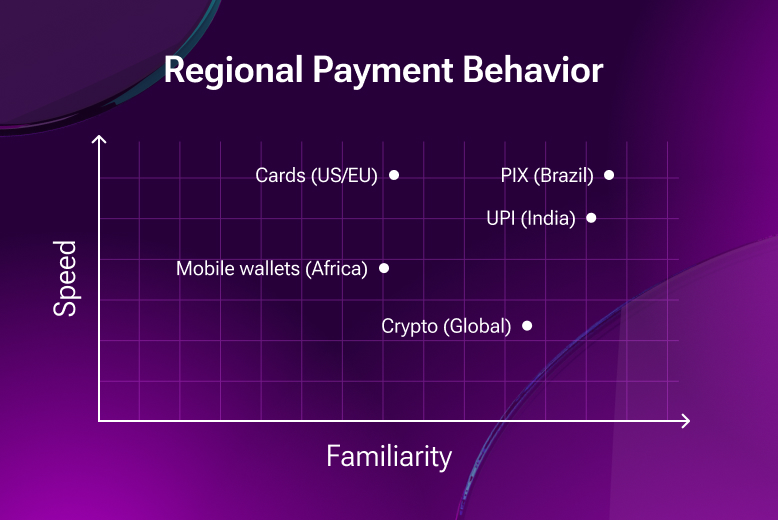
Payment behavior varies significantly across regions, shaped by local infrastructure, regulation, and everyday user habits. Players tend to rely on methods they already use in daily life, which directly influences how they interact with online poker platforms.
This creates distinct regional patterns, for example:
- Brazil, where PIX is widely used for everyday transactions and strongly preferred for deposits
- India, where UPI is deeply integrated into user behavior and supports high transaction volumes
- Africa, where mobile wallets play a central role in financial access
- Europe, where Open Banking and account-to-account payments continue to expand
- United States, where traditional systems remain common alongside growing adoption of real-time payments
These differences shape expectations around speed, trust, and usability. Familiar payment methods reduce hesitation at the deposit stage and contribute to a smoother onboarding experience. For operators, localization becomes part of the core product setup. Supporting local systems is essential for delivering the best payment methods online poker users expect in different regions.
Payment Orchestration: The Hidden Engine
Behind the scenes, modern platforms use orchestration layers that:
- route transactions dynamically
- switch providers if one fails
- optimize for speed and cost
- adapt based on region and user behavior
This reduces:
- failed payments
- downtime
- dependency on single providers
EvenBet Gaming integrates these capabilities into a unified system, allowing operators to manage multiple payment methods without increasing complexity.
Metrics That Matter
To understand payment performance, operators track:
- deposit success rate
- time to first deposit
- withdrawal processing time
- payment method distribution
- failure reasons
These metrics help identify where issues appear in the payment flow and how they influence user behavior at different stages. Patterns in failed transactions, delays, or drop-offs often point to specific gaps in UX or infrastructure. Over time, these issues translate into measurable impact on revenue, as even small disruptions in the payment experience affect conversion, session continuity, and repeat activity.
Future Trends Beyond 2026
Several developments are shaping the next phase of payment systems in online poker, gradually expanding how transactions are integrated into the overall product experience.
These trends include:
- embedded finance, where payment functionality becomes part of gameplay ecosystems and supports continuous interaction without separate flows
- AI-driven payment flows, allowing systems to predict preferred methods, timing, and amounts based on user behavior
- voice and conversational payments, simplifying interaction through natural input and reducing the need for manual navigation
- CBDCs (Central Bank Digital Currencies), with ongoing exploration of integration into regulated environments
- DeFi-related models, introducing new approaches to liquidity and asset usage within digital platforms
Each of these directions contributes to a more integrated and adaptive payment environment. As these technologies develop, payment interactions become more seamless and better aligned with user behavior, supporting a consistent experience across regions and devices.
Conclusion: Payments as a Competitive Advantage
In 2026, online poker payment methods 2026 define how players experience the platform and how consistently they return over time. Payment systems shape how players experience the platform at every stage, from the first deposit to repeated sessions over time. Speed, clarity, and reliability influence how confidently users interact with the product and how consistently they return.
In practical terms, a strong payment setup includes:
- fast and predictable processing, supporting uninterrupted gameplay and timely withdrawals
- clear transaction flows, with transparent status and minimal ambiguity
- reliable infrastructure, ensuring consistent performance across regions and methods
When these elements are aligned, payment experience supports higher conversion, smoother session continuity, and stronger retention. The effect becomes visible in user behavior, repeat deposits, and overall platform stability. For operators, this makes payments part of product strategy rather than a standalone integration task. Systems that adapt to regional requirements, support multiple methods, and maintain consistent UX across flows create a foundation for long-term growth.
Platforms built with this approach, such as EvenBet Gaming, provide modular payment infrastructure and unified cashier solutions that simplify integration while maintaining flexibility across markets. This allows operators to scale faster, localize effectively, and maintain a consistent player experience. To explore how this can be applied in your setup, you can request a demo or connect with the team to review integration options and regional payment strategies.
FAQ
What payment methods do online poker players expect in 2026?
In 2026, online poker players expect a mix of fast fiat options and flexible digital wallets. The most important features are instant deposits, quick withdrawals, low fees, and support for local payment methods such as open banking, instant bank transfers, and popular regional solutions. Players also expect a smooth mobile-first checkout experience that feels as easy as using a mainstream fintech app.
How important are cryptocurrencies in online poker?
Cryptocurrencies remain important, especially for players who value speed, privacy, and borderless payments. In many markets, stablecoins are becoming more relevant than volatile assets because they combine crypto’s convenience with more predictable value. For operators, crypto is less about replacing fiat and more about expanding payment coverage for international audiences.
How do payment methods affect player retention?
Payment methods have a direct impact on retention because they shape the first and last moments of the player journey. If deposits are slow, withdrawals are delayed, or preferred local options are missing, players are more likely to leave and move to a competitor. A fast, trusted, and familiar cashier experience reduces friction, builds confidence, and helps keep players active longer.